

by Animal Nutritionist, Howard Stanley
Planning Ahead to Protect Animal Performance and Stretch Fodder Reserves
Winter 2026/27 may be a challenging feeding season on many livestock farms. Reduced grass growth, extended dry periods without significant rainfall and the use of silage reserves during the summer can place significant pressure on winter fodder supplies. The first priority for every farmer should be to establish exactly how much feed is available and how long it is likely to last. The worst decision is often to wait until silage is almost gone before taking action. By that stage, feed options may be more limited and more expensive.
The key principle for winter is: Identify the fodder deficit early and develop a feeding plan before the animals are fully dependent on winter feed.
1. Complete a Winter Fodder Budget
Before deciding what feed to buy, the farmer needs to answer two basic questions: How much fodder do I have? How much fodder will I need?
The fodder budget should include all available feeds on farm and it is important to calculate feed on a dry matter basis where possible. A simple count of bales is useful, but it does not tell the full story. Bale weight, dry matter and feed quality can vary considerably.
As farmers we need to consider:
— The number of animals
— The expected winter housing period
— Daily feed intake
— Feed wastage
— Changes in stock numbers during the winter
2. Reduce Demand Before Buying More Feed
“Can I reduce the amount of feed required?” this is certainly as question worth asking. Every animal kept over the winter has a daily maintenance requirement. Therefore, reducing demand can sometimes be more cost-effective than purchasing expensive feed. In many situations the following points should be considered:
— Selling non-essential stock
— Selling cattle that are not performing
— Selling empty cows where appropriate
— Reducing the number of animals carried through the winter
— Avoiding the wintering of animals that are unlikely to leave a sufficient margin
3. Purchase Additional Silage
Purchasing silage may be the simplest solution where there is a significant forage deficit. However, farmers should consider:
— Price
— Quality
— Dry matter
— Transport costs
— Feed analysis
— Storage
— Reliability of the supplier
A cheap bale with low energy and poor intake potential may require significant concentrate supplementation.
4. Use Straw Carefully to Stretch Silage
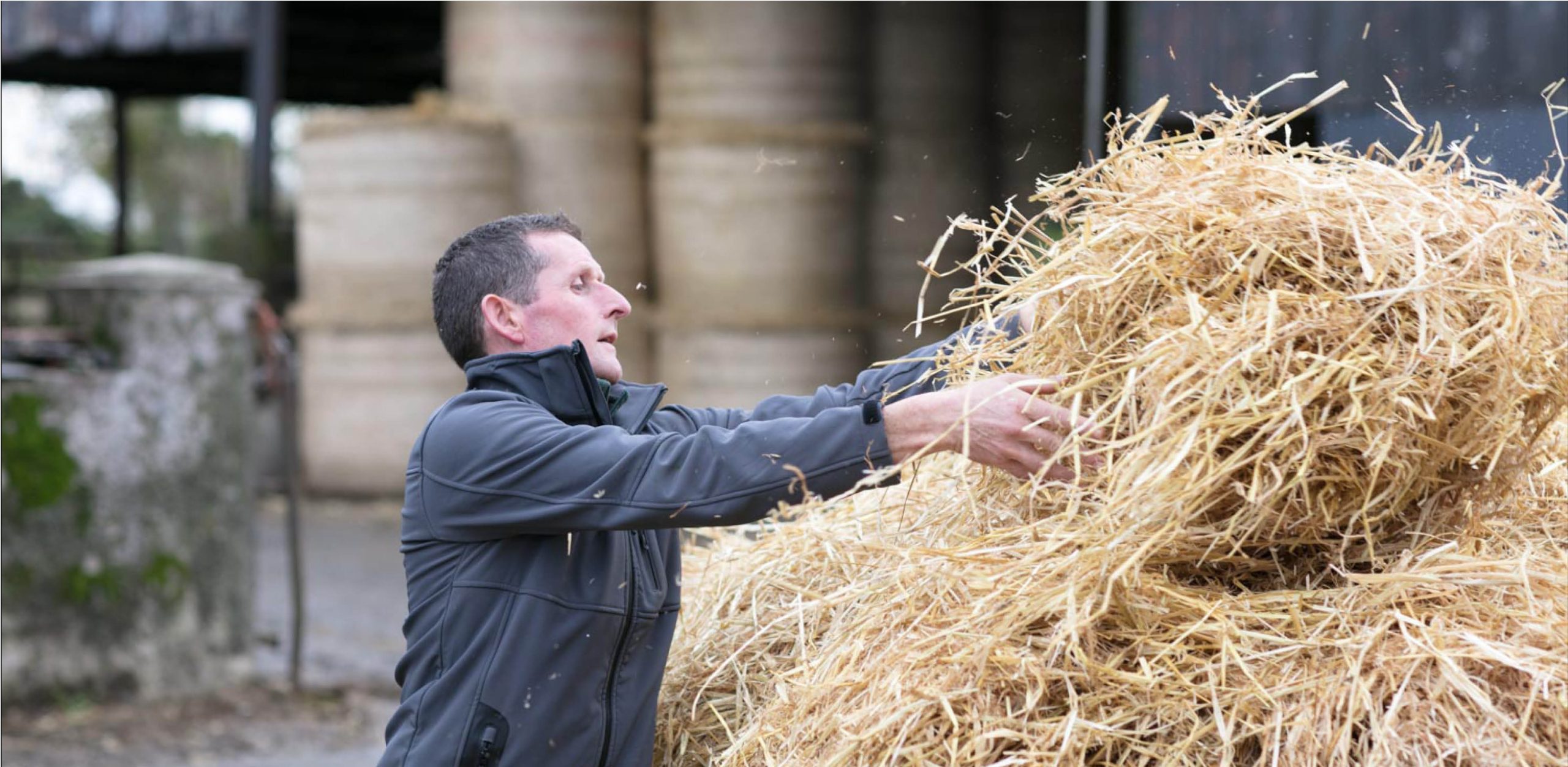
Straw can have a role in all diets, straw included in a diet is very beneficial as it plays a big role in improving digestive function and that make it a dual purpose feed because if you include it in a diet you will get better rumen function and extend forage stocks as well. Straw can be included at various levels depending on the quality of feed you are feeding and the category of animals you are targeting. Straw may have a role in:
— Diets for certain dry cows
— Some suckler cow systems
— Rations where sufficient energy and protein are supplied from other feed
5. Increase the Use of Concentrates
Where good-quality silage is scarce, concentrates can help reduce the amount of forage required. The objective should be to replace a calculated nutrient deficit and complement the feed already in the diet rather than simply feeding more meal. Always seek advice when feeding Concentrates because Increasing concentrate feeding may affect:
— Rumen function
— Fibre intake
— Animal health
— Milk composition
— Feed costs
6. Alternative Forage and Feed Options
It may also be worthwhile examining all suitable forage alternatives available locally. Factors such as storage facilities, availability, type of animals being fed and price will ultimately be the deciding factors.
7. Group animals appropriately
Group animals according to age, weight, genetic potential. Consider culling all non-productive animals such as cull cows. High yielding cows should get the best feed available and perhaps younger stock could be supplemented with a high quality feed to maintain good growth rates.
8. Consider the Economics of Wintering
The feeding decision must consider the expected value of the weight gain achieved. If Forage is expensive and scarce, farmers should consider:
— The cost of wintering the animal
— The expected daily live-weight gain
— The cost of supplementary feeding
— The likely value of the animal at sale
It may not always be economical to carry all animals through a long winter. Options may include:
— Selling earlier
— Selling stores rather than finishing
— Reducing stock numbers
— Targeting concentrate feeding at animals with the best potential response
Feeding expensive, poor-quality silage without achieving adequate performance can be particularly costly.